Commercial Bar Furniture Suppliers in India
Purewood specializes in providing commercial bar furniture solutions to businesses across India. Whether you’re a small boutique hotel or a large chain of restaurants, our extensive range of furniture options and customization capabilities make us the ideal partner for your bar or pub furniture needs.
We understand the unique demands of the hospitality industry and strive to deliver furniture pieces that not only look great but also offer durability and functionality. Our commercial bar furniture is built to withstand heavy use and is designed to meet the stringent quality standards required by businesses in the industry. With Purewood as your trusted bar or pub furniture supplier, you can rest assured that you’re making a long-term investment in furniture that will enhance your bar’s overall appeal.
Our Bar Furniture Collection
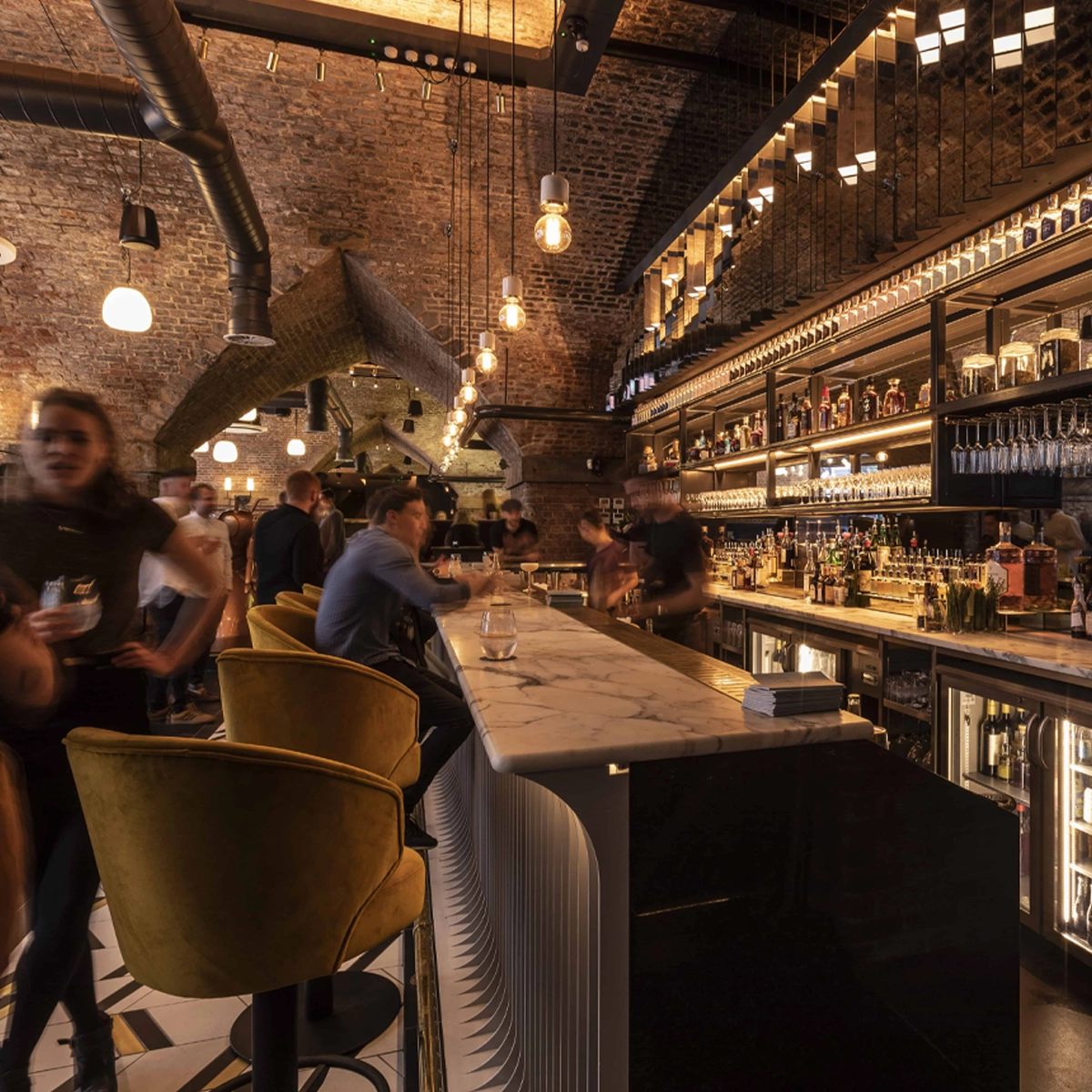
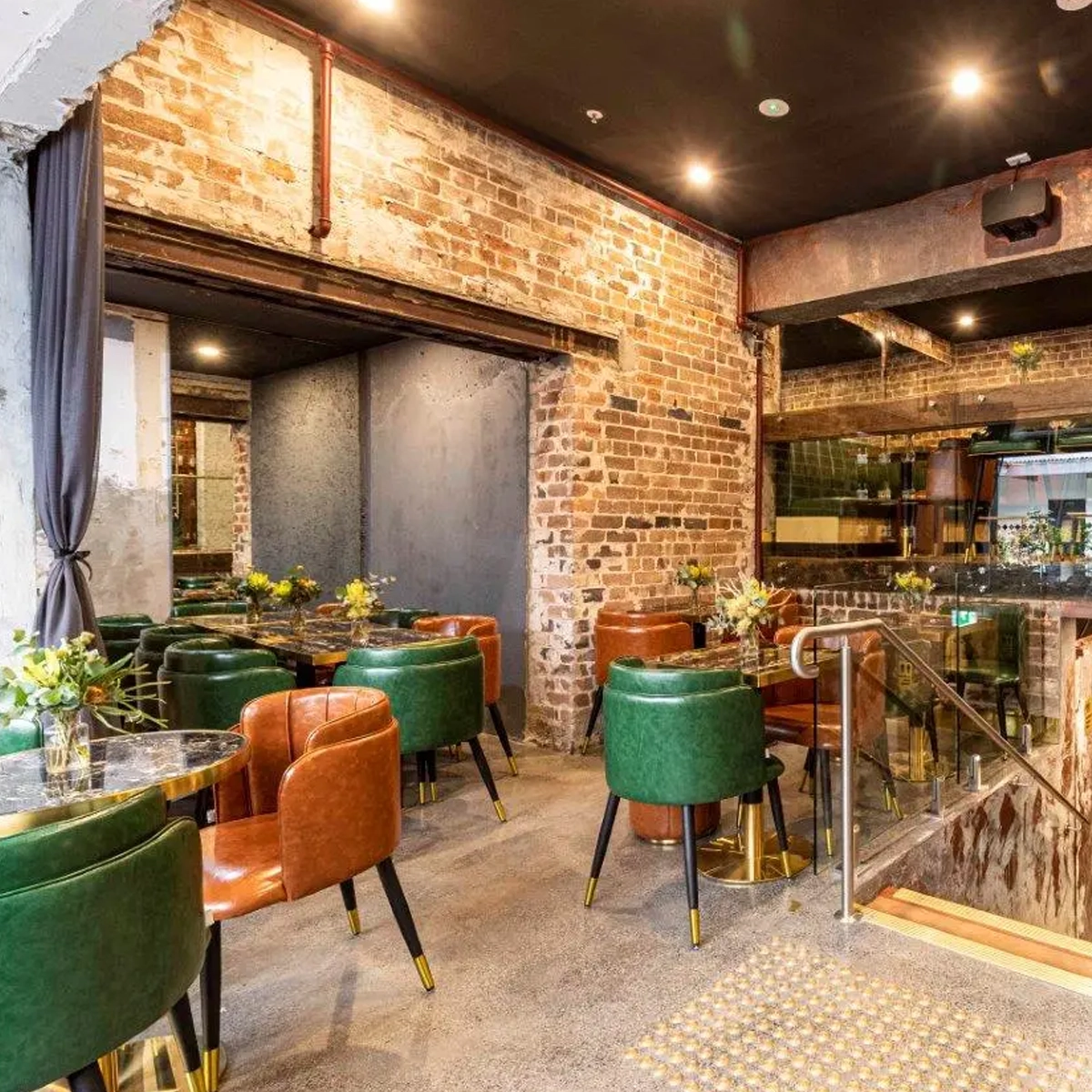
At Purewood, we take pride in our extensive collection of bar furniture that is designed to meet the diverse needs and preferences of our customers. From bar stools to tables, chairs, and more, our furniture pieces are crafted with precision and attention to detail, ensuring both style and functionality. Whether you’re looking to create a modern, rustic, or classic bar setting, we have the perfect furniture options to transform your space.
Bar Stools
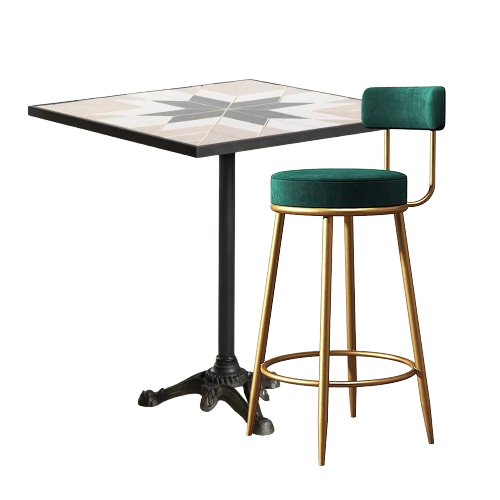
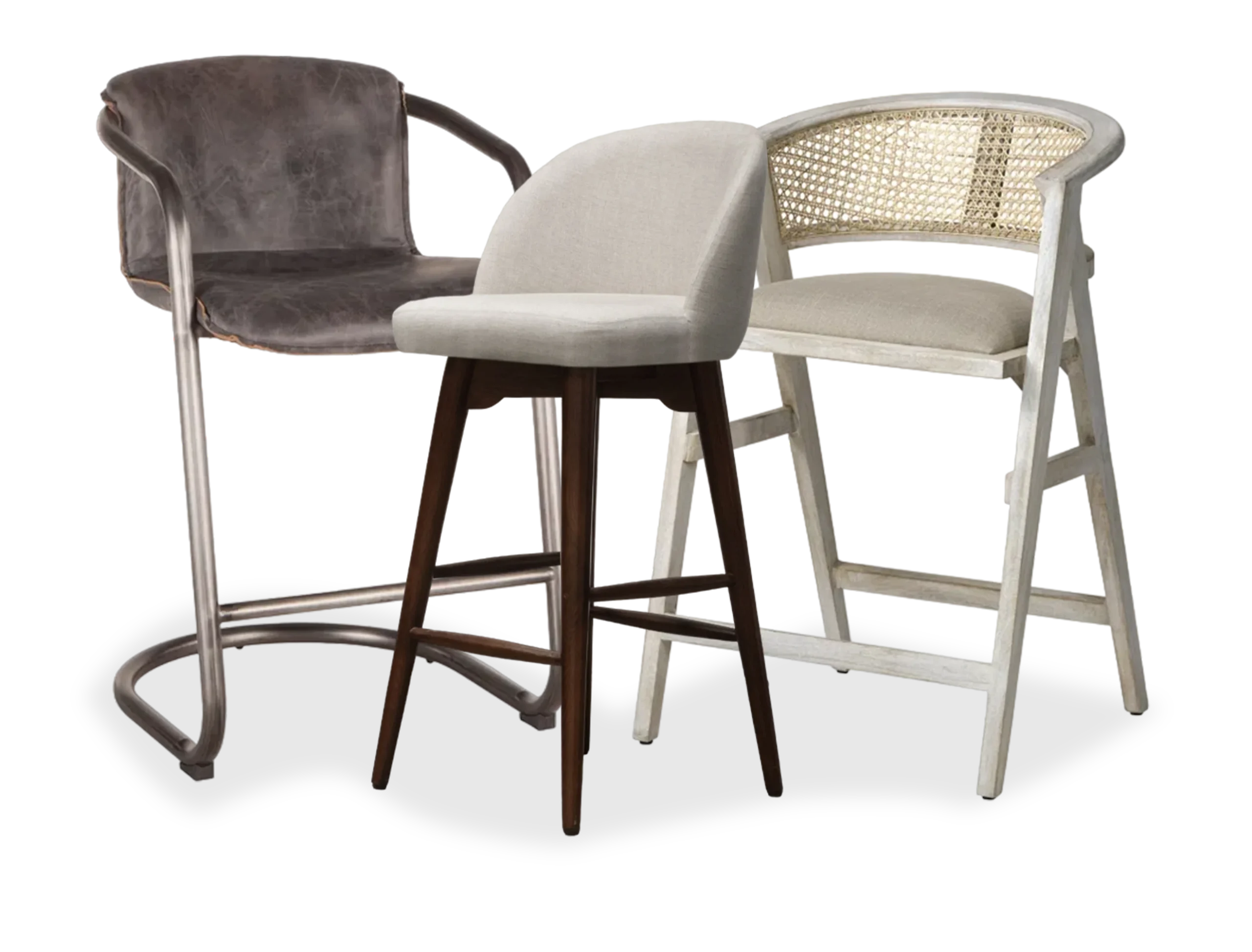
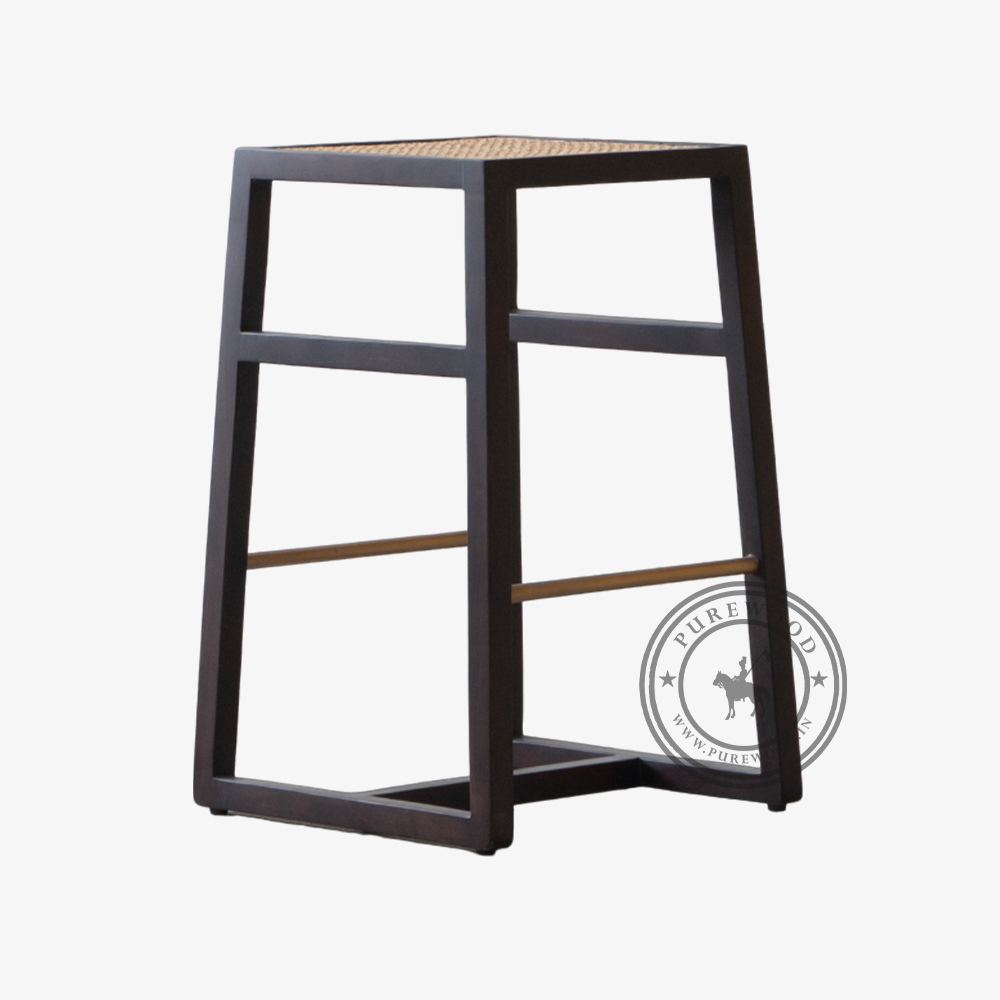
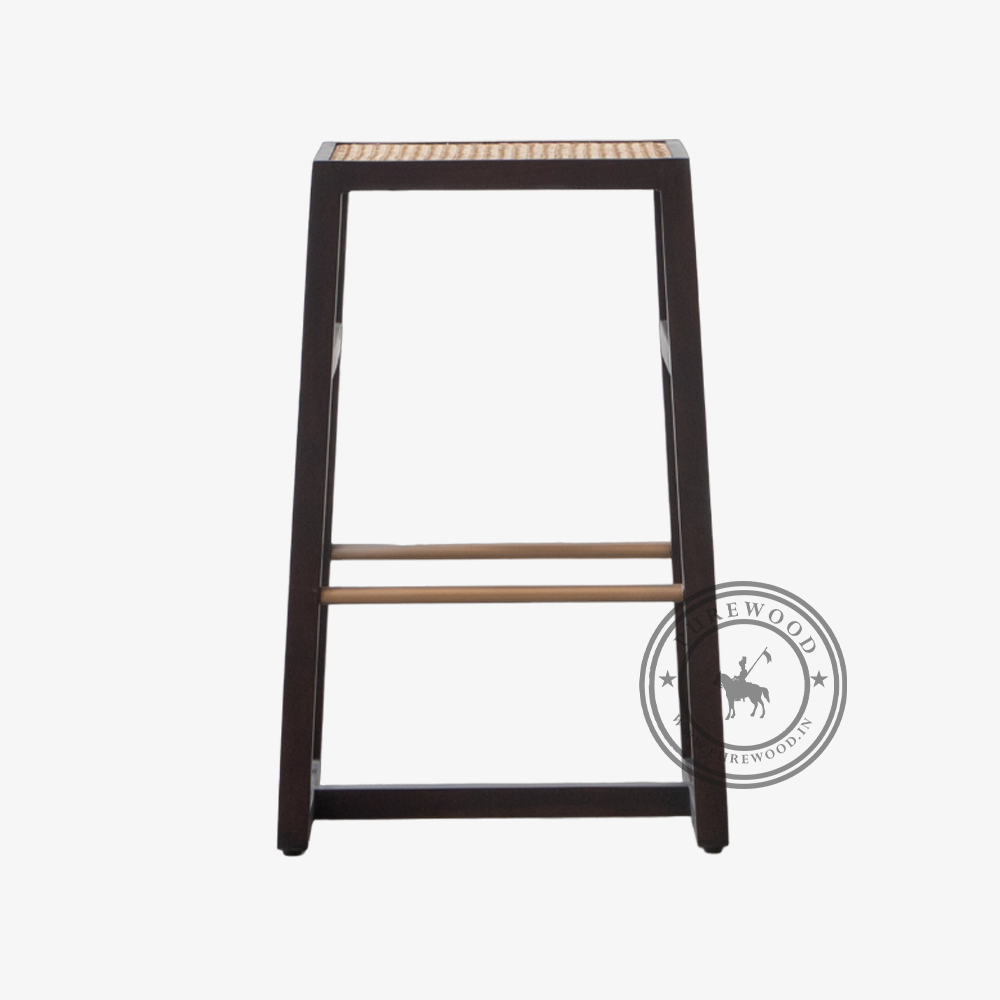
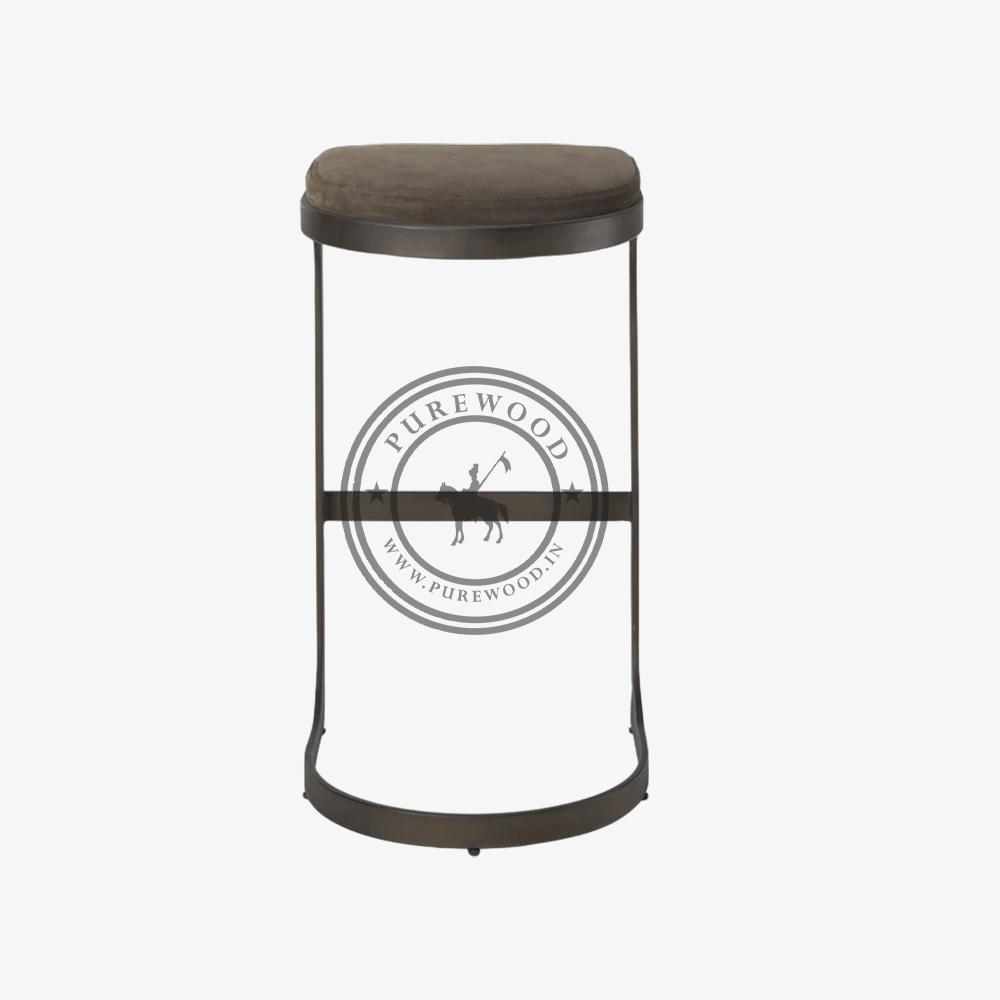
Bar stools are an essential part of any bar setup, and at Purewood, we offer a wide range of options to suit different styles and preferences. From modern and sleek designs to rustic and vintage-inspired pieces, our bar stools are not only comfortable but also visually appealing. Crafted with precision, our bar stools are made using high-quality materials that withstand the rigors of daily use while adding a touch of sophistication to your bar space.
Bar Chairs
If you’re looking for something more traditional or formal, our collection of bar chairs is sure to impress. Designed with comfort and elegance in mind, our bar chairs are made from durable materials and feature exquisite detailing. Whether you prefer upholstered seats or sleek wooden designs, we have the perfect bar chairs to complement your bar’s overall theme and decor.
Bar Tables
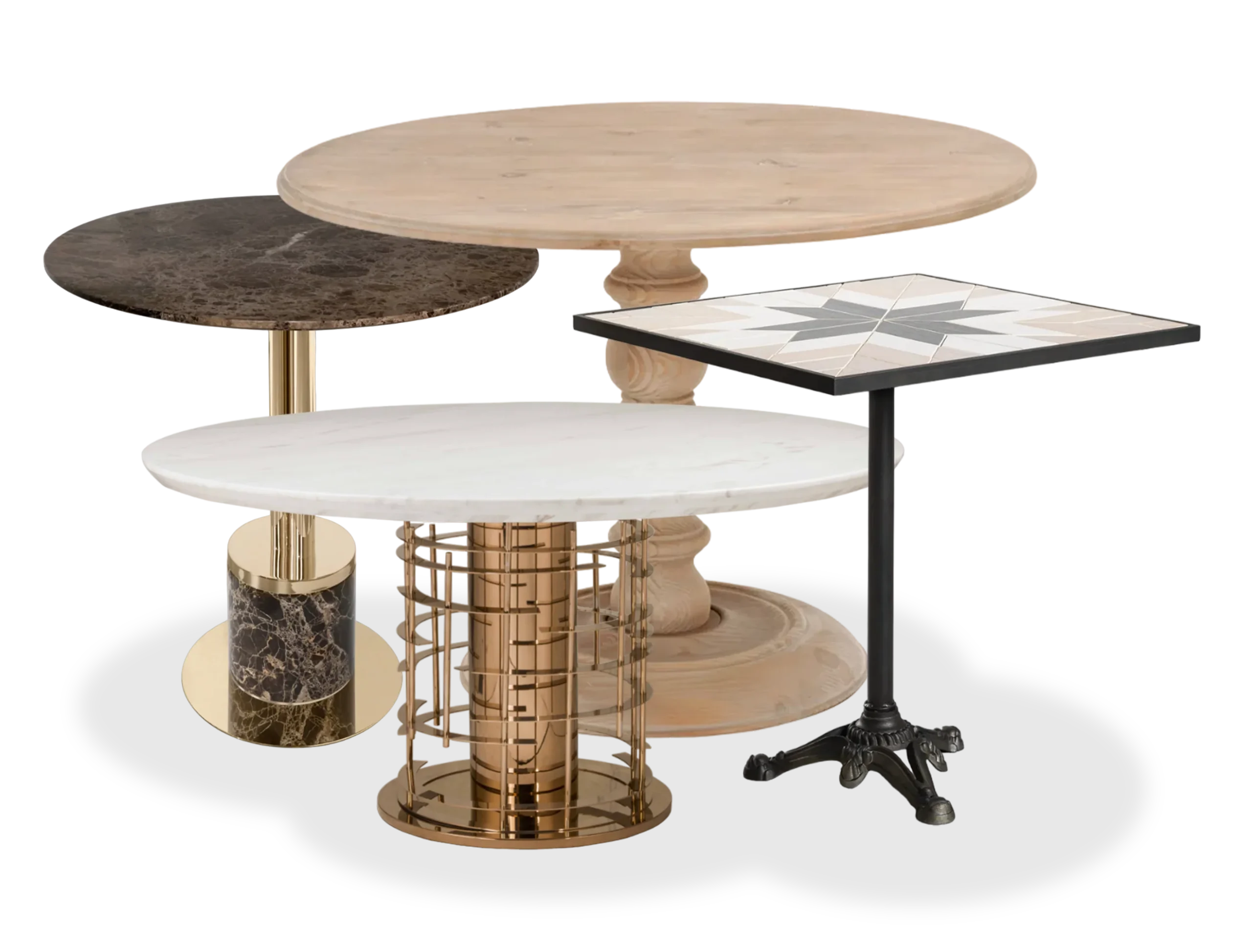
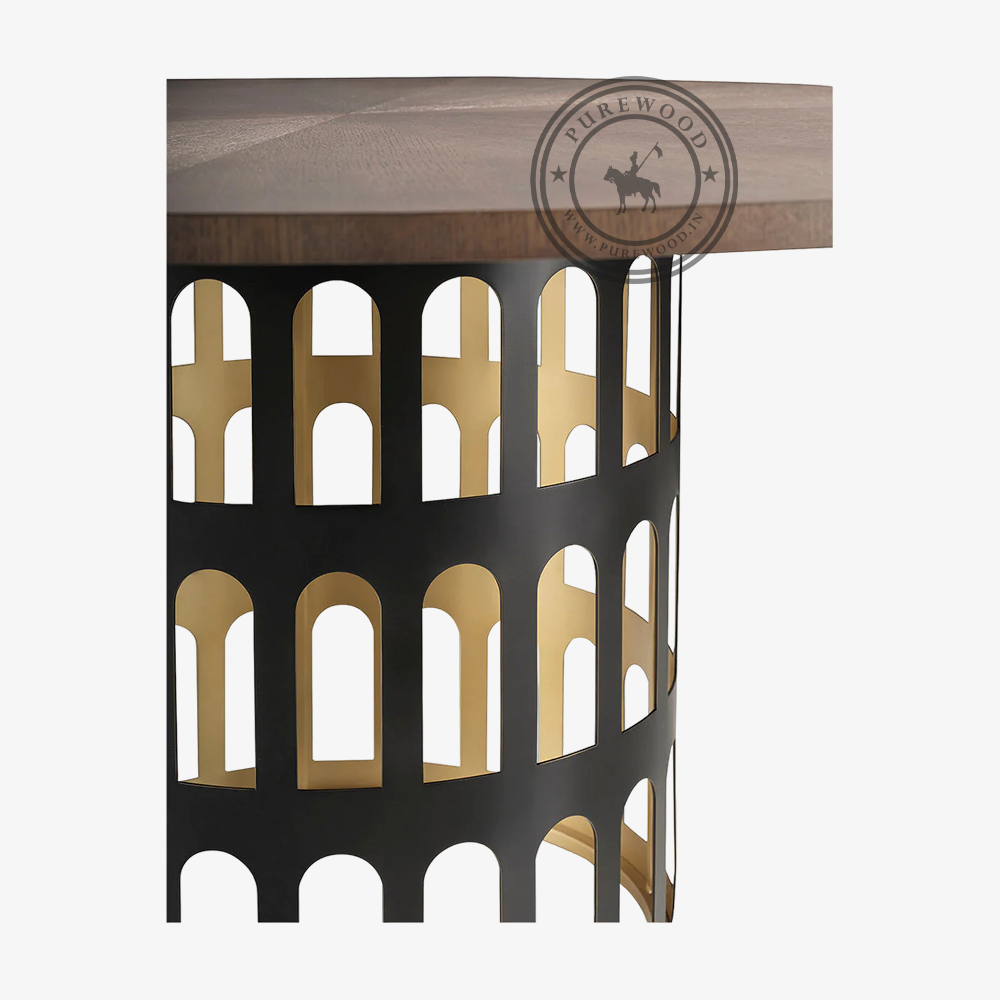
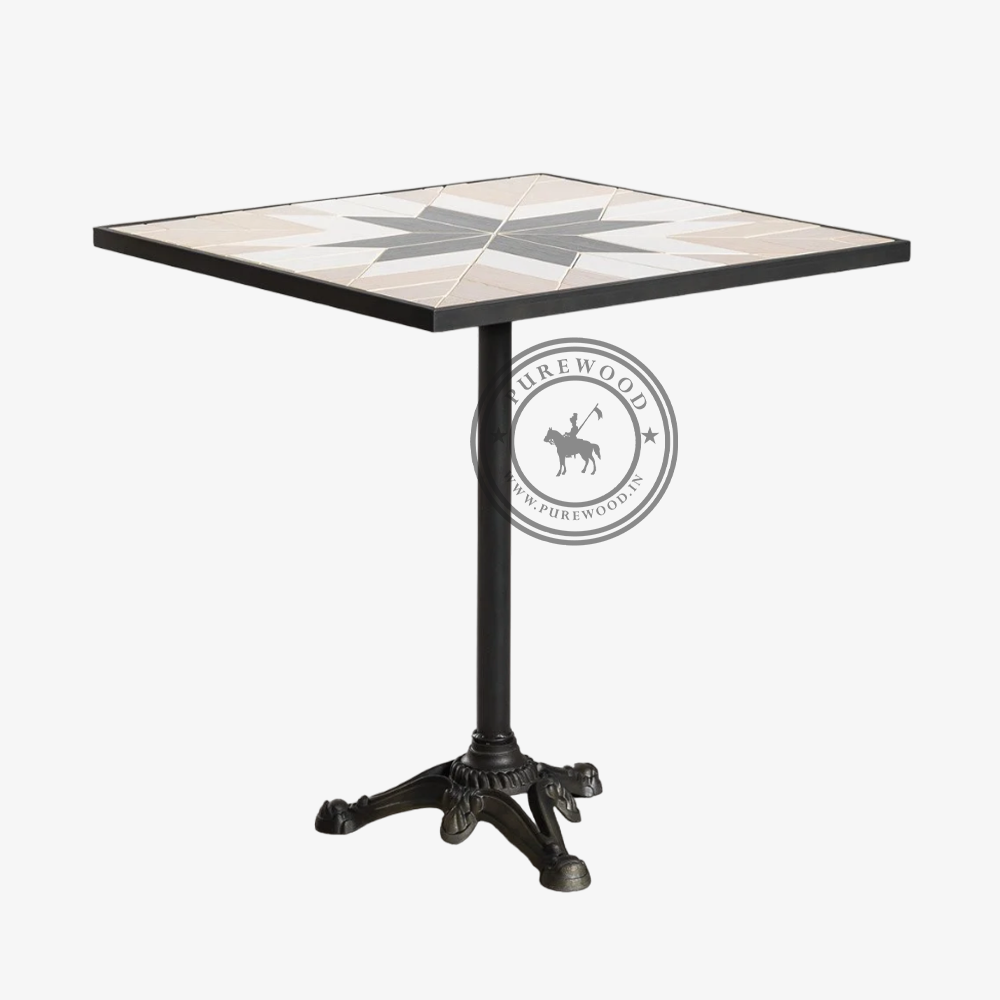
A well-designed bar table can instantly enhance the overall look and feel of your bar. At Purewood, we offer a variety of bar table options, including tall standing tables, small bistro-style tables, and long communal tables. Our bar tables are not only visually appealing but also made to withstand the demands of a busy bar environment. With different materials, finishes, and sizes available, you can easily find the perfect bar table to suit your space.
Outdoor Bar Furniture
For those looking to create an outdoor bar area, we also offer a range of outdoor bar furniture options. From weather-resistant bar stools and chairs to durable bar tables, our outdoor furniture collection is designed to withstand the elements without compromising on style or comfort. Whether you have a rooftop bar or a patio space, our outdoor bar furniture will help you create an inviting and relaxing atmosphere for your guests.
Wholesale Bar Furniture India
Purewood stands as a beacon of excellence in the realm of wholesale bar furniture in India. With our unparalleled craftsmanship, diverse portfolio, and unwavering commitment to quality and sustainability, Purewood offers more than just furniture; we provide an opportunity to elevate your establishment to new heights of sophistication and charm. Choose us today, and let your bar become the epitome of style and hospitality.